Turbulence Font: A Creative Tool for Dynamic Design
What Makes Turbulence a Unique Font Choice?
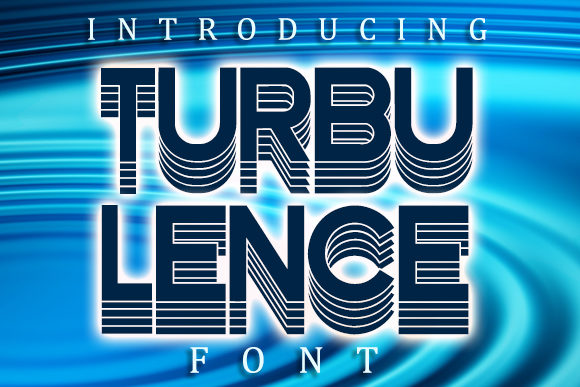
Turbulence is more than just a font; it's an artistic expression that brings energy and movement to any design. With its swirling, dynamic characters, Turbulence stands out as a decorative font that can transform ordinary text into something extraordinary. Whether you're designing a poster, branding material, or digital content, this font has the power to elevate your work with a unique visual flair.
One of the most appealing aspects of Turbulence is its ability to convey motion. The fluidity of each letter gives the impression of wind or water in motion, making it ideal for projects related to nature, travel, or anything that requires a sense of dynamism. This makes Turbulence not only visually striking but also thematically appropriate for a wide range of creative endeavors.
How Turbulence Fits Into Modern Design Workflows
In today's fast-paced design world, standing out is crucial. Turbulence offers a way to do exactly that. Its versatility allows it to be used in both print and digital formats, from logos and headlines to social media posts and web banners. It’s especially effective when used sparingly, ensuring that the design remains readable while still making a bold statement.
Designers often use Turbulence in conjunction with more traditional fonts to create contrast. For example, pairing Turbulence with a clean sans-serif typeface can highlight key messages without overwhelming the viewer. This approach works well for marketing materials, where the goal is to capture attention quickly and effectively.
Another benefit of using Turbulence is its compatibility with modern design software. It integrates seamlessly with tools like Adobe Photoshop, Illustrator, and even online platforms such as Canva. This ease of use ensures that even those new to typography can experiment with Turbulence without a steep learning curve.
Practical Benefits of Using Turbulence
When considering a font for a project, readability and legibility are always top priorities. While Turbulence is primarily a decorative font, it still maintains a level of clarity that makes it suitable for short phrases and headlines. This means designers can use it without worrying about compromising the message being conveyed.
Turbulence also adds a sense of personality to a design. In an age where brands are constantly striving to differentiate themselves, having a unique visual identity is essential. By incorporating Turbulence into their designs, businesses can create a memorable impression that resonates with their audience.
Additionally, Turbulence can be used across multiple industries. From fashion and lifestyle to technology and entertainment, its dynamic style fits into various contexts. For instance, a tech startup might use Turbulence in a promotional video to emphasize innovation and forward-thinking, while a luxury brand could use it to add a touch of elegance and sophistication.
Considerations When Using Turbulence
While Turbulence is undoubtedly eye-catching, it's important to use it thoughtfully. Overusing it can lead to cluttered designs that may confuse or overwhelm viewers. As a rule of thumb, reserve Turbulence for emphasis rather than body text. This ensures that the focus remains on the message rather than the font itself.
Color choice also plays a significant role in how Turbulence is perceived. Because of its intricate details, it works best with high-contrast color combinations. Dark backgrounds with light text or vice versa can enhance the visibility of the font and make it stand out more effectively.
Another consideration is scalability. Since Turbulence is a decorative font, it may not render as clearly at very small sizes. Therefore, it's best suited for larger headings or titles where the details can be appreciated. Ensuring that the font size is appropriate for the medium it's being used on is key to maintaining its visual impact.
Real-World Examples of Turbulence in Action
Imagine designing a poster for a music festival. Turbulence could be used for the event name, creating a sense of excitement and movement that matches the vibe of the festival. Pairing it with a simple, clean font for the supporting text would ensure that the overall design is both engaging and easy to read.
In the realm of digital marketing, Turbulence can be used to create attention-grabbing headlines for blog posts or social media campaigns. Its dynamic look helps draw the eye and encourages users to engage with the content. When used strategically, it can significantly boost the effectiveness of a campaign.
Even in branding, Turbulence can serve as a powerful tool. A boutique hotel might incorporate it into its logo to convey a sense of adventure and uniqueness. The font's flowing lines and energetic feel align perfectly with the brand's image, helping to create a strong emotional connection with potential customers.
Why Turbulence Should Be Part of Your Design Toolkit
Turbulence is a versatile and expressive font that can enhance any design project. Its ability to convey motion, emotion, and creativity makes it a valuable asset for designers looking to push the boundaries of traditional typography. Whether you're working on a personal project or a professional campaign, adding Turbulence to your repertoire can open up new possibilities for creative expression.
By understanding how to use Turbulence effectively, you can take your designs to the next level. Experiment with different layouts, pairings, and color schemes to discover what works best for your specific needs. Remember, the goal is to create something that not only looks great but also communicates your message clearly and memorably.
So, the next time you're brainstorming ideas for a new project, consider reaching for Turbulence. Let its dynamic style inspire your creativity and help bring your visions to life in ways you never imagined possible.