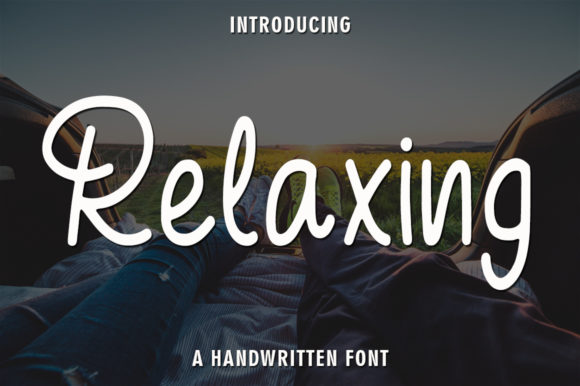
Relaxing: A Sweet and Friendly Handwritten Font for Creative and Professional Workflows
Relaxing is a handwritten font that brings warmth, personality, and a sense of approachability to any design. Its natural and unique style makes it incredibly fitting for a wide range of creative and professional applications. Whether you're designing marketing materials, crafting social media content, or creating personal projects, Relaxing can add a human touch that digital fonts often lack. This article explores how to integrate Relaxing into your workflow, the benefits it offers, and practical examples of where and when to use it effectively.
Understanding Relaxing and Its Role in Design
Relaxing is more than just a font—it's a tool that enhances communication through its soft, friendly appearance. Unlike rigid sans-serif or serif fonts, Relaxing mimics the fluidity of handwriting, making it ideal for projects that require a personal or conversational tone. It’s particularly well-suited for branding that wants to feel warm and welcoming, such as cafes, wellness centers, or lifestyle businesses.
In a broader design process, Relaxing can serve as a stylistic anchor. It works well with other fonts, especially when used for headings or call-to-action elements while pairing with a more structured font for body text. This combination ensures readability without sacrificing the emotional appeal of the handwritten style.
When to Use Relaxing in Your Workflow
The versatility of Relaxing means it can be incorporated at various stages of a project. Here are some scenarios where it shines:
- Before a project: Use Relaxing for brainstorming notes, mood boards, or concept sketches to establish a creative tone.
- During a project: Apply it to client presentations, wireframes, or mockups to maintain a consistent visual identity.
- After a project: Incorporate it into final deliverables like thank-you messages, promotional flyers, or customer communications to reinforce brand personality.
Whether you're working on a website, print material, or digital content, Relaxing can help bridge the gap between formality and friendliness. It adds a layer of authenticity that resonates with audiences seeking genuine connections.
Integrating Relaxing with Other Tools and Resources
Relaxing works seamlessly with a variety of design tools and platforms. Most graphic design software, such as Adobe Photoshop, Illustrator, Canva, and Figma, supports custom fonts. Simply download Relaxing from a trusted font provider, install it on your system, and start using it immediately.
For web-based projects, ensure that Relaxing is properly embedded or linked using Google Fonts or another reliable hosting service. This allows for consistent rendering across different devices and browsers, which is crucial for maintaining a cohesive brand image online.
Additionally, consider how Relaxing interacts with color schemes and layout structures. Pairing it with muted tones or earthy palettes can enhance its organic feel, while contrasting it with bold colors can create visual interest. Testing different combinations in real-world scenarios will help determine the most effective use cases.
Workflow Example: Branding a Wellness Studio
Imagine you're tasked with rebranding a wellness studio. The goal is to create a logo and supporting materials that convey relaxation and trust. Here's how Relaxing could fit into the workflow:
- Initial Concept: Sketch out ideas using Relaxing to write key phrases like "Find Your Peace" or "Inner Harmony."
- Logo Development: Use Relaxing as the primary font for the logo name, ensuring it feels personal and inviting.
- Supporting Materials: Apply Relaxing to email headers, social media posts, and printed brochures to maintain a consistent aesthetic.
- Client Feedback: Share mockups with stakeholders, highlighting how Relaxing contributes to the brand's voice and visual identity.
- Final Implementation: Ensure all digital and print assets use Relaxing consistently to reinforce the brand message.
This example illustrates how Relaxing can be integrated into multiple phases of a project, contributing to both the creative and strategic aspects of the work.
Practical Tips for Using Relaxing Effectively
To maximize the impact of Relaxing, consider these tips:
- Limit Usage: While Relaxing adds charm, overusing it can reduce readability. Reserve it for headlines, logos, and short phrases rather than long blocks of text.
- Test Readability: Ensure that Relaxing remains legible at different sizes and distances. Avoid using it in small text where clarity is essential.
- Match Tone: Choose Relaxing only when the message aligns with its friendly and approachable nature. It may not be suitable for formal documents or technical reports.
- Pair Wisely: Combine Relaxing with complementary fonts to balance style and functionality. For instance, pair it with a clean sans-serif font for body text.
- Consistency is Key: Use Relaxing consistently across all platforms and materials to build brand recognition and trust.
By applying these guidelines, you can ensure that Relaxing enhances your designs without compromising usability or professionalism.
Long-Term Considerations for Using Relaxing
As with any design asset, it's important to evaluate how Relaxing fits into long-term workflows and brand strategies. Consider the following factors:
- Scalability: Will Relaxing remain relevant as your brand evolves? Assess whether its style aligns with future goals and trends.
- Compatibility: Does Relaxing work well with other design elements, such as icons, illustrations, and photographs? Test it in different contexts to confirm its adaptability.
- Maintainability: How easy is it to update or replace Relaxing if needed? Keep track of where and how it's used to streamline changes later.
- User Experience: Does Relaxing contribute positively to user engagement? Monitor feedback from clients, customers, or colleagues to gauge its effectiveness.
By addressing these considerations early on, you can make informed decisions about how to use Relaxing in a way that supports both current and future needs.
Relaxing is a powerful yet subtle tool that can elevate your design work by adding a personal, human touch. Whether you're a designer, marketer, educator, or entrepreneur, incorporating Relaxing into your workflow can help you communicate more effectively and connect with your audience on a deeper level. By understanding its strengths, limitations, and best practices, you can use it confidently and creatively to achieve your goals.