Happy Cotton: A Sweet and Friendly Font for Creative Expression
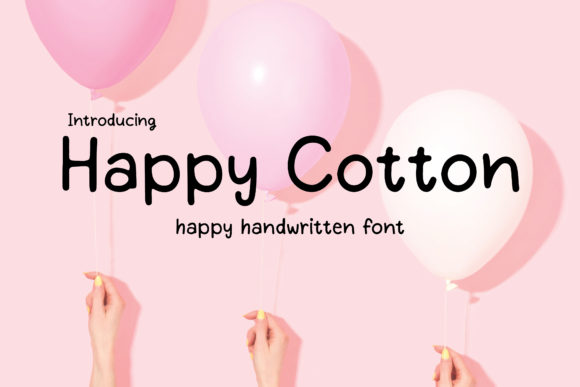
Happy Cotton is a handwritten font that brings warmth and personality to any design. With its soft curves, natural feel, and friendly appearance, it stands out as a versatile tool for creators across various fields. Whether you're designing a logo, writing a blog post, or creating marketing materials, Happy Cotton can add a personal touch that makes your work more engaging.
What Makes Happy Cotton Unique?
Unlike traditional fonts that follow strict rules, Happy Cotton mimics the way people naturally write. It has an organic look with slight imperfections that give it character. This makes it perfect for projects where a human touch is essential. The font’s gentle strokes and rounded edges create a sense of comfort and approachability, making it ideal for branding that wants to feel warm and inviting.
Its unique style allows for creative freedom. You can use it in both digital and print formats, and it works well with a wide range of colors and backgrounds. Because of this, Happy Cotton is not limited to one type of project—it can be used in many different ways depending on your needs.
Where Can You Use Happy Cotton?
Happy Cotton can be applied in numerous areas, from personal projects to professional ones. Here are some common places where this font shines:
- Branding and Logos: If you’re launching a new business or rebranding an existing one, Happy Cotton can help create a friendly and memorable identity. Its soft appearance is especially good for businesses that want to convey a sense of care and community, like cafes, boutique shops, or wellness centers.
- Marketing Materials: Posters, flyers, and social media graphics benefit from the playful yet professional feel of Happy Cotton. It adds a personal element that can make your message stand out among the competition.
- Blog Posts and Articles: Bloggers and content creators often use Happy Cotton for headings, titles, or call-to-action buttons. It helps break up text and makes reading more enjoyable.
- Invitations and Greeting Cards: For special occasions like weddings, birthdays, or thank-you notes, Happy Cotton gives your invitations a handcrafted look that feels sincere and heartfelt.
- Educational Materials: Teachers and educators can use this font to create worksheets, presentations, or learning guides that feel less formal and more approachable, helping students engage better with the material.
Why People Choose Happy Cotton
Many users choose Happy Cotton because it feels authentic. In a world full of sleek and modern fonts, it offers something different—something that feels more like a real person’s handwriting. This authenticity can be a powerful tool in communication, especially when trying to connect with an audience on a personal level.
Another reason people love it is its versatility. While it’s designed to look casual, it still maintains enough professionalism to be used in commercial settings. This means you don’t have to worry about it looking too childish or unrefined. Instead, you can trust that it will fit well into most design contexts.
Additionally, Happy Cotton is easy to read, which is important for any text that needs to be understood quickly. Its legibility ensures that even though it looks handwritten, the message remains clear and impactful.
Real-Life Scenarios Where Happy Cotton Works Well
Let’s take a closer look at how different users might apply Happy Cotton in their everyday work:
Scenario 1: A Freelance Designer
A freelance designer working on a client’s website might use Happy Cotton for navigation menus or button texts. It adds a subtle charm without overpowering the design. The client appreciates the fresh look, and the designer finds it easier to create a cohesive theme that feels welcoming.
Scenario 2: A Small Business Owner
An owner of a local bakery could use Happy Cotton for signage, packaging, and promotional materials. The font reflects the cozy and friendly nature of the shop, making customers feel more connected to the brand.
Scenario 3: A Blogger
A blogger who writes about lifestyle topics might use Happy Cotton for headers and section titles. It gives the blog a more personal and relatable vibe, encouraging readers to spend more time on the page.
Scenario 4: An Educator
A teacher preparing study guides or lesson plans might choose Happy Cotton for its readability and friendly appearance. It helps reduce the intimidation factor of learning materials, making them more accessible to students.
Things to Consider Before Using Happy Cotton
While Happy Cotton is a great choice for many projects, there are a few things to keep in mind before using it:
- Legibility in Large Text: Although it’s easy to read, Happy Cotton may not be the best option for very large headlines or body text in long documents. It works best for shorter phrases or decorative elements.
- Color Contrast: Since it has a soft appearance, it’s important to pair it with colors that provide good contrast. Darker shades of text on light backgrounds usually work best.
- License and Usage Rights: Make sure you understand the licensing terms for Happy Cotton. Some fonts require specific permissions for commercial use, so it’s important to check these details before downloading or purchasing the font.
- Compatibility: Test the font across different devices and platforms to ensure it displays correctly. Some handwritten fonts may not render the same way on all systems.
By considering these factors, you can make the most of Happy Cotton while avoiding potential issues that could affect your final design.
Whether you're a designer, marketer, educator, or just someone looking to add a personal touch to your projects, Happy Cotton offers a unique and friendly way to express yourself creatively. Its natural style and versatility make it a valuable addition to any creative toolkit.