Wilson Wells: A Vintage Font with Modern Appeal
If you're looking to inject a touch of nostalgia into your designs, Wilson Wells might just be the font for you. This unique blackletter typeface brings a vintage style to the digital age, making it a versatile choice for a wide range of creative projects. Whether you're working on branding, editorial design, or personal projects, Wilson Wells can add that special retro charm that stands out in today's fast-paced visual landscape.
What Is Wilson Wells?
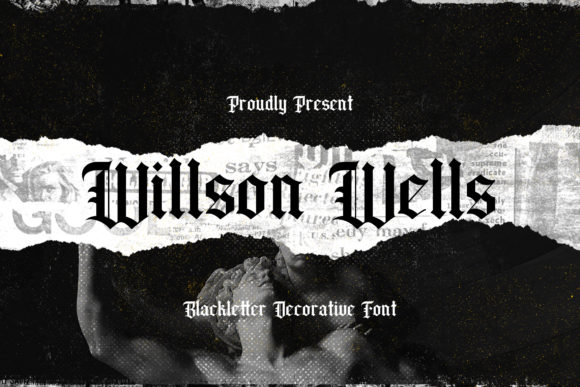
Wilson Wells is a blackletter font known for its distinctive, handcrafted appearance. Blackletter fonts are often associated with old German and English manuscripts, featuring intricate serifs and ornate details. However, Wilson Wells modernizes this classic style, offering a balance between tradition and usability. It’s not just about looking old—it’s about creating a design that feels authentic and meaningful.
This font is particularly useful for designers who want to evoke a sense of history, elegance, or craftsmanship without sacrificing readability. Its structure makes it suitable for both short and long texts, ensuring that it remains legible even when used in extended passages.
Key Characteristics of Wilson Wells
- Vintage Style: The font mimics the look of traditional calligraphy, giving any project an aged, timeless feel.
- Blackletter Design: With its bold strokes and decorative flourishes, it stands out from more modern sans-serif or serif fonts.
- Versatile Use: From logos to headlines, Wilson Wells works well across various media types, including print and digital formats.
- Readability: Despite its ornate appearance, the font maintains good legibility, especially when used appropriately.
Practical Applications of Wilson Wells
The beauty of Wilson Wells lies in its adaptability. Here are some real-world scenarios where this font can make a difference:
Branding and Logo Design
For businesses aiming to create a brand identity rooted in tradition, Wilson Wells can serve as a powerful visual element. It adds character to logos, business cards, and packaging, helping to establish a memorable presence in the market.
Consider using it for a boutique wine shop or a vintage-themed café—both benefit from the warm, nostalgic feel of the font.
Editorial and Publishing
Magazines, books, and blogs that focus on history, culture, or lifestyle often use blackletter fonts to enhance their aesthetic appeal. Wilson Wells can be used for headlines, chapter titles, or even body text in smaller quantities to maintain readability.
Its vintage style complements content that aims to transport readers to another time, making it ideal for historical fiction, travel writing, or heritage-focused publications.
Digital Media and Web Design
In web design, Wilson Wells can be used sparingly to highlight key elements such as navigation menus, call-to-action buttons, or feature titles. It adds visual interest without overwhelming the user experience.
However, it’s important to ensure that the font doesn’t compromise accessibility. Always pair it with simpler, more readable fonts for body text to maintain a balanced and user-friendly interface.
Why Choose Wilson Wells?
Choosing Wilson Wells over other fonts means opting for something that stands out. In a world filled with minimalist and modern design trends, this font offers a refreshing alternative. It’s perfect for those who want to communicate a story, emotion, or theme through typography.
One of the main benefits of using Wilson Wells is its ability to convey authenticity. It’s often used in niche markets where a sense of history or craftsmanship is valued. For example, independent publishers, artisanal brands, or educational institutions may find this font particularly appealing.
Considerations When Using Wilson Wells
While Wilson Wells is visually striking, there are a few things to keep in mind when incorporating it into your designs:
- Legibility: Ensure that the font is used in contexts where readability isn’t compromised. Avoid using it for large blocks of text unless it’s part of a carefully designed layout.
- Contrast: Pair Wilson Wells with contrasting colors or backgrounds to make sure the text remains visible and easy to read.
- Consistency: Maintain consistency in your design by limiting the use of Wilson Wells to specific elements like headers or logos rather than throughout the entire piece.
By considering these factors, you can effectively use Wilson Wells to enhance your designs while maintaining clarity and professionalism.
Real-World Examples and Recommendations
Many designers have successfully incorporated Wilson Wells into their work. For instance, a local bookstore might use it for promotional materials, while a wedding planner could use it for invitations or save-the-date cards. The font’s versatility allows it to blend seamlessly into various contexts.
If you’re new to using blackletter fonts, start by experimenting with small projects. Try using Wilson Wells for a poster, social media graphic, or even a personal blog header. As you become more comfortable with its characteristics, you’ll find more creative ways to integrate it into your workflow.
Remember, the goal is to use Wilson Wells in a way that enhances your message rather than distracts from it. It should feel intentional and purposeful, not forced or excessive.
With its rich history and modern adaptability, Wilson Wells continues to be a popular choice among designers seeking to add a touch of elegance and nostalgia to their work. Whether you're a professional designer or a hobbyist, this font offers endless possibilities for creative expression.