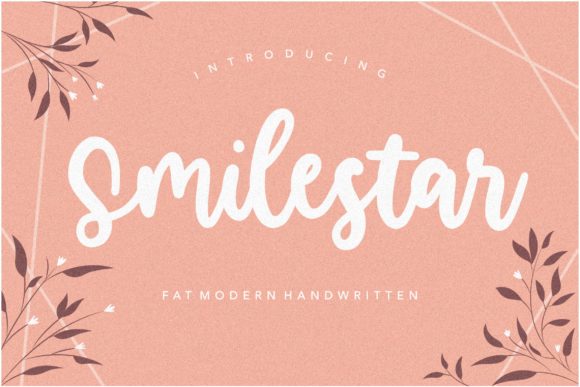
Smilestar: The Font That Elevates Design with Timeless Elegance
When it comes to typography, the right font can transform a simple message into a powerful statement. Smilestar is one such font that stands out for its ability to simplify elegance into a truly outstanding handwritten style. Whether you're designing a logo, crafting a headline, or adding text to a busy background, Smilestar delivers a clean and refined look that speaks volumes without saying much.
What Makes Smilestar Unique?
Smilestar is more than just a font—it’s a design choice that reflects sophistication and creativity. Its handwritten appearance gives it a personal touch, making it ideal for branding, marketing materials, and creative projects. Unlike other fonts that may feel too formal or too casual, Smilestar strikes the perfect balance between professionalism and approachability.
This font is especially useful in situations where readability is key. Its clean lines and consistent stroke widths ensure that even on complex backgrounds, the text remains legible and visually appealing. This makes Smilestar an excellent choice for digital content creators, marketers, and designers who want to maintain clarity while adding a unique aesthetic.
Common Mistakes When Using Smilestar
While Smilestar is versatile, there are some common mistakes that users often make when incorporating it into their designs. Understanding these pitfalls can help you avoid unnecessary complications and achieve better results.
Mistake 1: Overusing Smilestar
One of the most frequent errors is using Smilestar excessively across a design. While its elegant style is eye-catching, overuse can lead to visual clutter and reduce the overall impact of your message.
Better Approach: Use Smilestar sparingly, such as for headlines or key messages. Pair it with simpler, more readable fonts for body text to maintain a balanced and professional look.
Mistake 2: Ignoring Font Pairing Rules
Many designers fail to consider how Smilestar interacts with other fonts in their layout. Choosing incompatible fonts can create a disjointed appearance, which can confuse viewers and dilute your brand message.
Better Approach: Stick to complementary fonts that share similar characteristics. For example, pairing Smilestar with a sans-serif font like Helvetica or Arial can provide contrast while maintaining harmony in your design.
Mistake 3: Not Testing on Different Backgrounds
Smilestar looks great on white backgrounds, but it may not always be visible on darker or patterned surfaces. Failing to test your design on various backgrounds can result in poor readability and a less effective presentation.
Better Approach: Always preview your design on different background colors and textures before finalizing it. Adjust the font color or add subtle outlines if needed to ensure maximum visibility and clarity.
How to Choose the Right Font for Your Project
Selecting the right font for your project is crucial, and Smilestar is no exception. Before committing to using Smilestar, take a moment to evaluate whether it aligns with your goals and audience expectations.
- Consider the Purpose: Is Smilestar being used for a headline, body text, or decorative element? Each role requires a different level of emphasis and readability.
- Evaluate the Audience: Will your audience find Smilestar easy to read and aesthetically pleasing? It's important to choose a font that resonates with your target demographic.
- Check Compatibility: Ensure that Smilestar works well with the rest of your design elements, including images, colors, and layout structures.
Practical Tips for Using Smilestar Effectively
To get the most out of Smilestar, follow these practical tips that will enhance both the aesthetics and functionality of your design.
Tip 1: Start by using Smilestar for headlines or call-to-action buttons where it can draw attention without overwhelming the reader.
Tip 2: Experiment with different sizes and weights to see how Smilestar performs in various contexts. A larger size can add emphasis, while a smaller size might work better for subheadings.
Tip 3: Don’t forget to check the licensing terms when downloading or purchasing Smilestar. Make sure you have the right to use it for your intended purpose, whether it's for personal use, commercial projects, or web-based applications.
Final Thoughts on Smilestar
Smilestar is a font that brings elegance and simplicity together in a way that few others can. Its versatility makes it suitable for a wide range of design applications, from print to digital media. By avoiding common mistakes and following best practices, you can ensure that Smilestar enhances your design rather than detracts from it.
If you're looking for a font that combines beauty with functionality, Smilestar is definitely worth considering. With the right approach, it can become a valuable asset in your creative toolkit, helping you communicate your message with clarity and style.