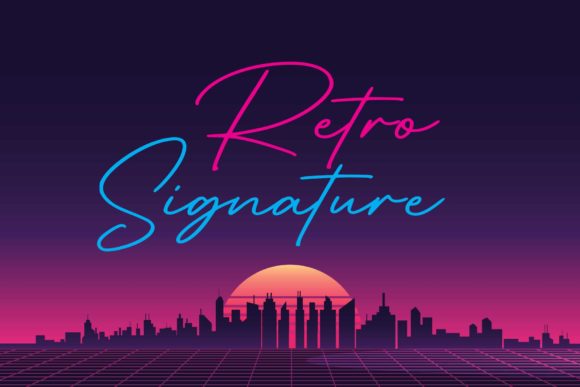
Retro Signature: A Handcrafted Font for Modern Creativity
Retro Signature is a casual handwritten font that brings a unique blend of elegance and simplicity to digital and print projects. Designed with attention to detail, it captures the essence of a real pen on paper while maintaining the clarity and consistency needed for professional use. Whether you're designing marketing materials, creating content for social media, or personalizing documents, Retro Signature offers a versatile and stylish option that can elevate your visual communication.
Understanding the Role of Retro Signature in Design Workflows
In any creative workflow, typography plays a crucial role in conveying tone, personality, and professionalism. Retro Signature fits seamlessly into this process by providing a handwritten feel without sacrificing readability. It is particularly well-suited for projects that require a personal touch, such as invitations, branding elements, blog headers, and product packaging.
Its casual yet refined style makes it ideal for both modern and vintage-inspired designs. This versatility allows designers to integrate it into various contexts, from minimalist layouts to more elaborate compositions. When used effectively, Retro Signature can enhance the visual appeal of a design while reinforcing the intended message or brand identity.
How to Integrate Retro Signature into Your Projects
Integrating Retro Signature into your design workflow begins with understanding where and how it can be most effective. Here are a few practical examples:
- Before a project: Use Retro Signature for brainstorming sessions, mood boards, or sketching out initial ideas. Its handcrafted look can help set the creative tone early in the process.
- During a project: Apply it in mockups, wireframes, or client presentations to give a tangible sense of the final design. This helps stakeholders visualize how the finished product will look and feel.
- After a project: Incorporate it into final deliverables, such as logos, headlines, or promotional assets. It adds a personal and professional touch that can make your work stand out.
Practical Implementation Tips for Using Retro Signature
To ensure that Retro Signature works well within your design system, consider the following tips:
- Pair with complementary fonts: While Retro Signature is a standout on its own, pairing it with a clean sans-serif or serif font can create balance. For example, using it for headings and a sans-serif font for body text ensures readability and visual harmony.
- Adjust spacing and sizing: Since it's a handwritten font, proper kerning and leading are essential. Experiment with different sizes and spacing to find what looks best in your specific context.
- Use in moderation: Overusing any font can lead to visual clutter. Reserve Retro Signature for key elements like titles, logos, or call-to-action buttons to maintain focus and clarity.
- Test across platforms: Ensure that Retro Signature displays consistently across different devices and platforms. Test it on web pages, mobile screens, and print materials to avoid unexpected formatting issues.
Compatibility and Workflow Integration
Retro Signature is compatible with most design software, including Adobe Photoshop, Illustrator, InDesign, and Figma. It also works well with online tools such as Canva, Crello, and other graphic design platforms. This broad compatibility makes it easy to incorporate into existing workflows, whether you're working locally or in the cloud.
For developers, Retro Signature is available in standard font formats like OTF and TTF, making it simple to embed in websites or applications. If you're using CSS, you can include it via Google Fonts or by uploading the font files directly to your server.
Enhancing Productivity with Retro Signature
One of the key benefits of using Retro Signature is its ability to streamline the design process. Because it’s a pre-designed font, you save time that would otherwise be spent creating custom typography from scratch. This efficiency is especially valuable for freelancers, small business owners, and entrepreneurs who need to produce high-quality visuals quickly.
Additionally, its consistent appearance across different platforms means less time spent adjusting and refining text. You can focus more on the overall design and less on technical details, allowing you to complete projects faster and with greater confidence in the final outcome.
Long-Term Use and Quality Control
When considering long-term use, it's important to evaluate how well Retro Signature holds up over time. As a professionally crafted font, it has been designed for durability and consistency. However, it's still advisable to periodically review its performance in different contexts, especially if you're using it for ongoing branding or long-term campaigns.
For quality control, always preview your designs before finalizing them. Check how Retro Signature appears in different colors, backgrounds, and sizes. This helps prevent potential issues that might arise when the font is used in unexpected ways.
Real-World Applications of Retro Signature
Retro Signature isn't just limited to design projects; it can also be used in a variety of other scenarios:
- Marketing and advertising: Use it for slogans, taglines, and promotional banners to add a personal and engaging feel.
- Education and publishing: Incorporate it into educational materials, book covers, or magazine layouts to create a warm and approachable atmosphere.
- Personal branding: Apply it to resumes, LinkedIn profiles, or personal websites to reflect your individuality and creativity.
- Product packaging: Add a handwritten charm to labels, tags, or packaging designs that appeal to consumers looking for authenticity.
Observations and Best Practices
While Retro Signature is highly versatile, there are some observations and best practices to keep in mind:
Consistency is key: Even though it's a casual font, it should be used consistently throughout a project to maintain a cohesive look. Avoid mixing too many different styles unless it serves a specific purpose.
Consider the audience: The right font choice depends on your target audience. Retro Signature may be more appropriate for younger, creative audiences than for formal or corporate settings.
Stay updated: Keep an eye on updates or new versions of the font. Sometimes, designers release improved versions that address compatibility or usability issues.
Conclusion
Retro Signature is more than just a font—it's a tool that can enhance your creative workflow and improve the quality of your output. By integrating it thoughtfully into your design process, you can achieve a level of professionalism and personality that sets your work apart. Whether you're a designer, marketer, educator, or entrepreneur, Retro Signature offers a flexible and elegant solution that aligns with both aesthetic and functional needs.