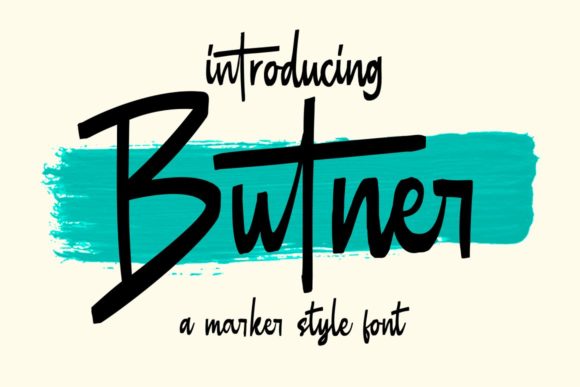
Butner: The Casual Handwritten Font That’s Redefining Informal Design
In a world where design is increasingly expected to be both professional and personable, the Butner font stands out as a unique solution. With its casual, handwritten style, Butner brings warmth and character to digital and print projects alike. It's not just another font—it's a creative tool that bridges the gap between formality and friendliness, making it incredibly fit for each of your informal designs.
The Rise of Casual Typography in Modern Design
Design trends have evolved dramatically over the past decade. What was once dominated by clean, minimalist sans-serif fonts has now expanded to include more expressive, personality-driven typography. This shift reflects changing user expectations and a growing appreciation for authenticity in visual communication.
Consumers today are more likely to engage with content that feels personal and relatable. A font like Butner, which carries a subtle sense of human touch, can help create that connection. Whether you're designing a social media post, an email newsletter, or even a branding element, using a handwritten font can make your message feel more approachable and genuine.
Why Butner Fits Into Today’s Creative Landscape
Butner is more than just a font; it's a reflection of modern design sensibilities. Its quirky, slightly imperfect strokes give it a natural, hand-drawn look that resonates well with current aesthetic preferences. In an era where users crave individuality and originality, Butner provides a fresh alternative to the often sterile and uniform digital typefaces.
This font is particularly well-suited for contexts where informality is key. Think about marketing materials for lifestyle brands, educational content that aims to be engaging, or personal blogs that want to maintain a conversational tone. Butner can enhance these messages by adding a layer of charm and accessibility that more rigid fonts simply can't achieve.
Practical Applications of Butner in Everyday Design
One of the greatest strengths of Butner is its versatility. While it may appear best suited for informal designs, its adaptability allows it to be used in a wide range of contexts. Here are some practical examples of how you can incorporate this font into your work:
- Social Media Graphics: Use Butner for captions, headlines, or call-to-action buttons to add a friendly, inviting tone to your posts.
- Email Marketing: Incorporate the font in subject lines or body text to make your emails feel more personal and less corporate.
- Blog Posts and Articles: Apply Butner to headings or pull quotes to break up text and create a more dynamic reading experience.
- Print Materials: From business cards to flyers, the font can give your printed pieces a distinctive, memorable look.
These applications show that Butner isn't limited to niche uses. It's a font that can elevate the visual appeal of any project that benefits from a touch of informality and creativity.
How Butner Enhances User Experience
User experience (UX) is a crucial consideration in design, and typography plays a significant role in shaping it. A font like Butner can influence how users perceive your brand or message. Its casual appearance can help reduce cognitive load by making content feel more approachable and easier to digest.
Additionally, the font’s readability is surprisingly strong for a handwritten style. It doesn’t sacrifice legibility for aesthetics, which is essential when designing for a broad audience. This balance makes it a great choice for designers who want to inject personality without compromising clarity.
Trends Shaping the Future of Typography
The design industry is constantly evolving, and typography is no exception. As we move further into the digital age, there's a growing emphasis on fonts that reflect real-world textures and emotions. This trend is driven by a desire to create more immersive and emotionally resonant experiences for users.
Handwritten fonts like Butner are at the forefront of this movement. They offer a way to introduce human elements into otherwise mechanical interfaces. Whether it's a mobile app, a website, or a digital publication, incorporating a font like Butner can help create a more human-centered design that aligns with modern user expectations.
The Role of Technology in Font Evolution
Advancements in technology have also played a role in making handwritten fonts like Butner more accessible and usable. With tools like vector-based font editors and responsive web design frameworks, designers can now apply these fonts across various platforms with ease.
Moreover, the rise of AI-generated design tools has made it simpler to experiment with different typographic styles. This means that even those without extensive design experience can explore the potential of Butner and other similar fonts to enhance their projects.
Real-World Examples of Butner in Action
To better understand how Butner can be applied, let's look at a few real-world scenarios:
Example 1: A Lifestyle Blog
A lifestyle blogger could use Butner for section headers and quotes to give their content a more personal and relatable feel. This helps build a stronger connection with readers who appreciate authenticity.
Example 2: A Freelance Designer’s Portfolio
A freelance designer might use Butner in their portfolio description to showcase their creative side and differentiate themselves from more traditional competitors.
Example 3: A Startup Branding Campaign
A startup looking to establish a friendly and innovative brand identity could incorporate Butner into their logo or promotional materials to convey a sense of approachability and originality.
These examples demonstrate how Butner can be used effectively in a variety of contexts to enhance both the visual and emotional impact of a design.
Recommendations for Using Butner Effectively
While Butner is a versatile font, it's important to use it thoughtfully. Here are a few tips to help you get the most out of this unique typeface:
- Use it sparingly: Because Butner has a distinct look, it works best when used in moderation. Overusing it can make your design feel cluttered or unprofessional.
- Pair it with complementary fonts: Combine Butner with a more structured sans-serif or serif font to create a balanced and visually appealing layout.
- Consider the context: Always think about the purpose of your design before choosing Butner. It may not be suitable for formal documents or highly technical content.
By following these recommendations, you can ensure that Butner enhances rather than detracts from your overall design.
As the demand for authentic, human-centric design continues to grow, fonts like Butner will play an increasingly important role in shaping the visual landscape of the digital world. Whether you're a designer, marketer, or content creator, exploring the possibilities of this font can open up new avenues for creative expression and engagement.